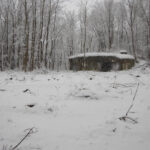
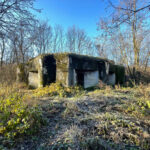
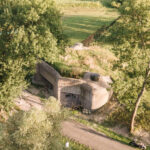
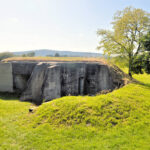
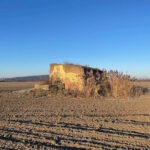
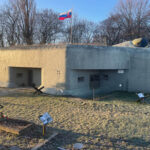
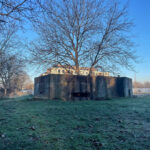
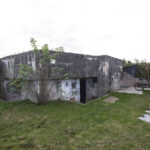
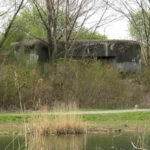
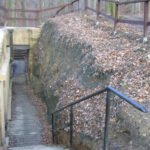
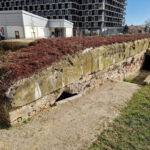
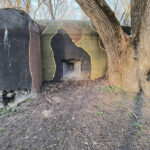
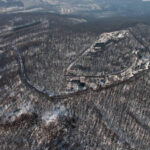
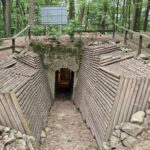
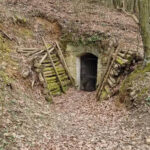
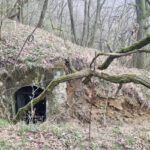
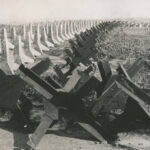
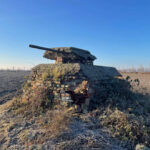
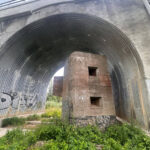
Bratislava has many remarkable features. Its position in the lowlands at the confluence of the Danube and Morava made the city not only a centre of trade and culture, but also a strategic location for defence. At several periods in modern history, Bratislava was fortified against incursions by foreign armies, sometimes from one direction, sometimes from the other. During the First World War, artillery positions and shelters for their crews were built here; later came the construction of reinforced-concrete bunkers as part of the extensive Czechoslovak fortifications of the First Czechoslovak Republic, followed by defensive barriers, bunkers, and gun positions at the end of the Second World War. After the wars ended, and the city and its inhabitants gradually entered more peaceful times, many defensive positions fell into disrepair. Some were filled in so that curious children would not come to harm inside them; others were razed to the ground to make way for the expanding city and new construction. Those that found themselves on the borders with a new “enemy” were reactivated and once again prepared to protect the border. After the fall of the Iron Curtain in 1989 and the collapse of the Warsaw Pact military alliance in 1991, political tensions eased and the bunkers again lost their purpose. Since then, they have continued to decay and given way to the city’s large-scale development, especially to the expanding housing estate in Petržalka. Today, Bratislava is the only capital city in Europe to have military bunkers preserved from both world wars and the period between them. Yet, unlike most other capital cities, it still has no state museum of national military history. Public interest in the bunkers and their stories has been steadily growing. Enthusiasts began mapping and uncovering their histories and locations, forming volunteer organisations so that some of them could be repaired and opened to the public as unique museums. Perhaps this is a sign that better times are dawning for these monuments, and that we are beginning not only to recognise their historical value and potential for tourism, but also to mature culturally and identify with our own history.
Join us as we discover the best known and most accessible of them.