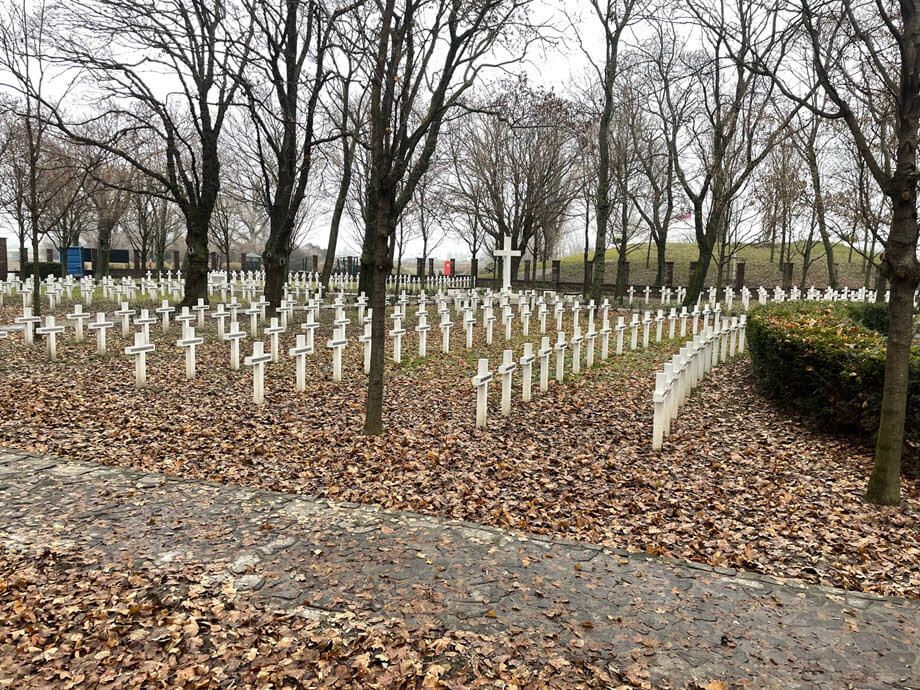
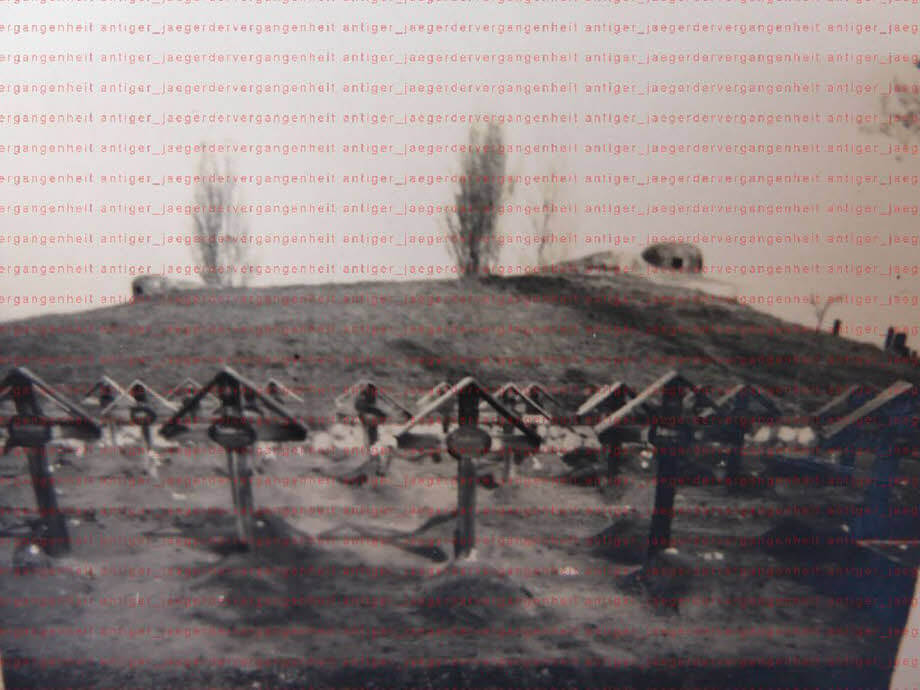

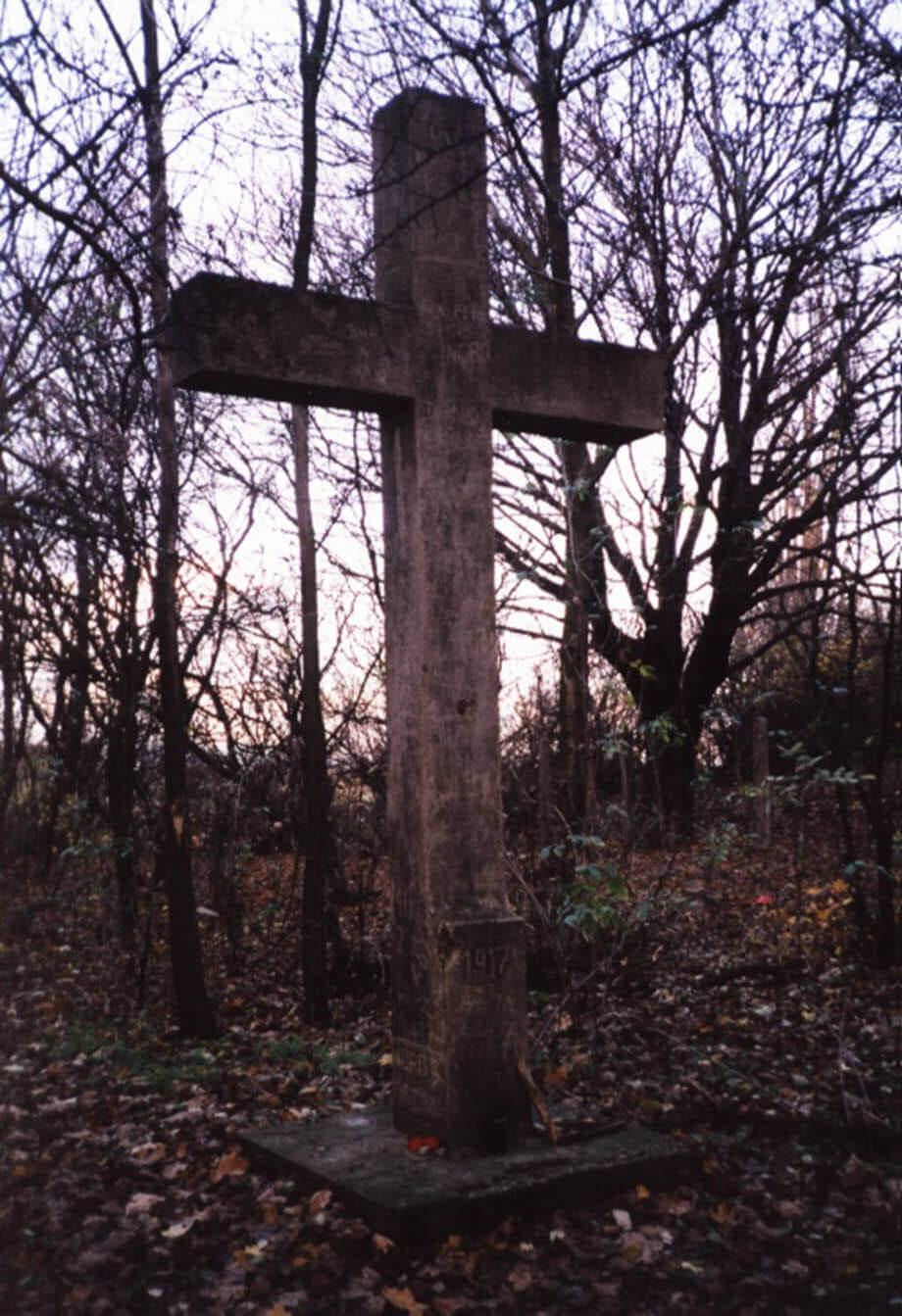
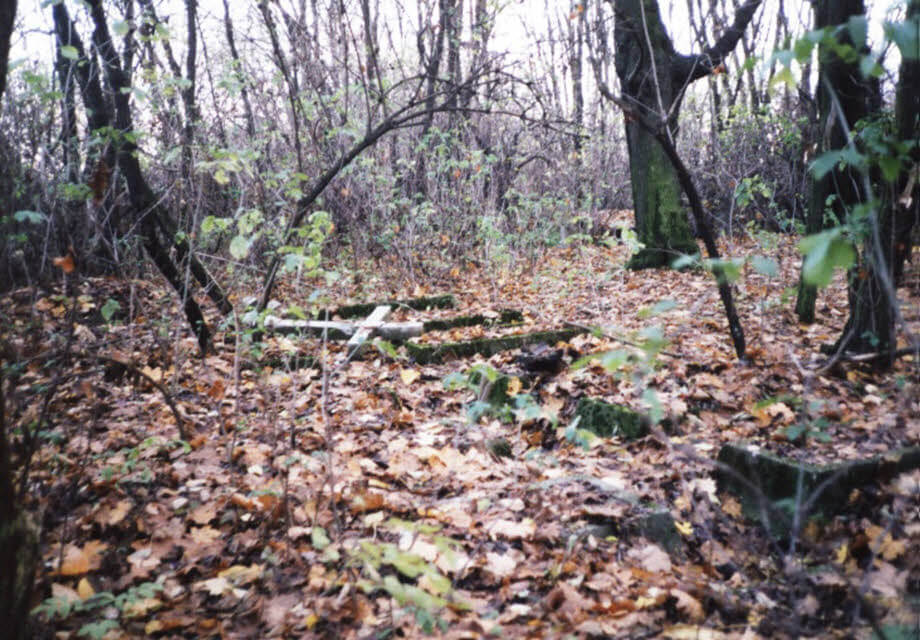
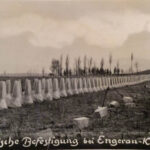
The First World War cemetery in Bratislava-Petržalka, in the Kopčany area, was established as part of a military hospital where mainly seriously wounded and sick soldiers of the Austro-Hungarian monarchy were treated, along with other soldiers from the warring sides. The cemetery was not a frontline medical cemetery near the line of battle, but lay in the rear. The soldiers buried there died between 1916 and 1918 in Bratislava’s Garrison Hospital, the Divisional Hospital, and in Kopčany. A total of 331 soldiers of nine nationalities are buried in the cemetery: 122 Czechs and Slovaks, 53 Hungarians, 51 Yugoslavs, 43 Romanians, 16 Austrians, 11 Italians, 11 Poles, three Germans, and six unknown soldiers. The cemetery was first given a dignified layout around 1922. From its establishment until the end of the Second World War, it was properly maintained. During the First Czechoslovak Republic in particular, people from Bratislava would come to the cemetery to walk and rest. Every year on 1 November, All Souls’ Day, religious services and commemorative ceremonies were held there.
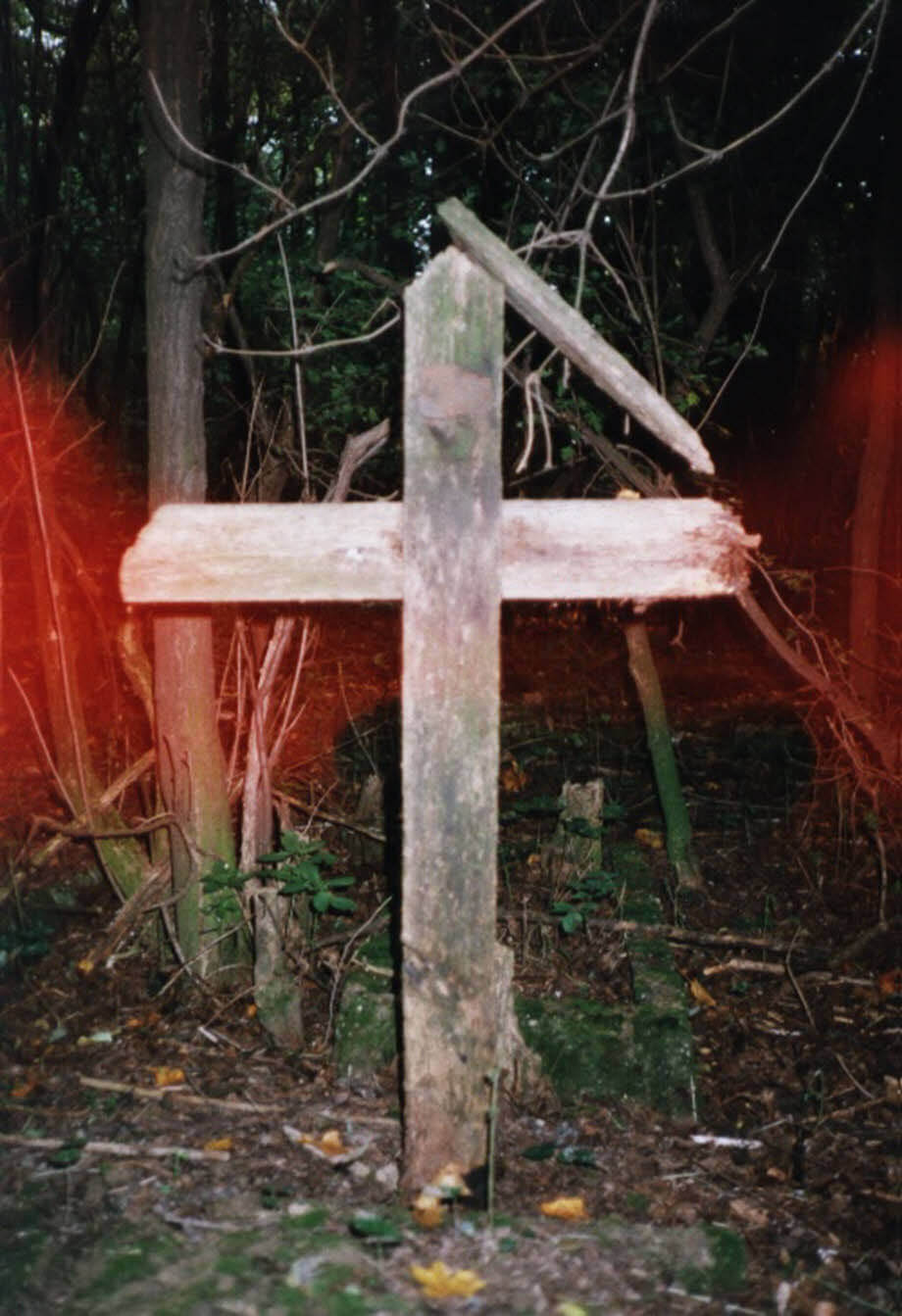
After the Second World War, the cemetery lay within a strictly guarded frontier zone, very close to the border with Austria. After 1948, it became essentially inaccessible and slowly faded from the memory of Bratislava’s residents. Decades of neglect took a serious toll. Paradoxically, after the Velvet Revolution in 1989, when the cemetery became accessible again, it was targeted by vandals and looters of military graves. By then, it was in a very poor state. In 2005, the City of Bratislava began restoring this military cemetery. The city bore the main cost of the work, with financial support also provided by the Slovak Ministry of the Interior. Between 2005 and 2009, the cemetery was reconstructed in the style of American military cemeteries. On 4 May 2009, it was opened to the public in the presence of leading representatives of the Slovak Republic, the City of Bratislava, and local residents. It is now also visited by tourists and members of military-history clubs. On All Souls’ Day, as in the past, a commemorative ceremony is held there for the soldiers buried in the cemetery.

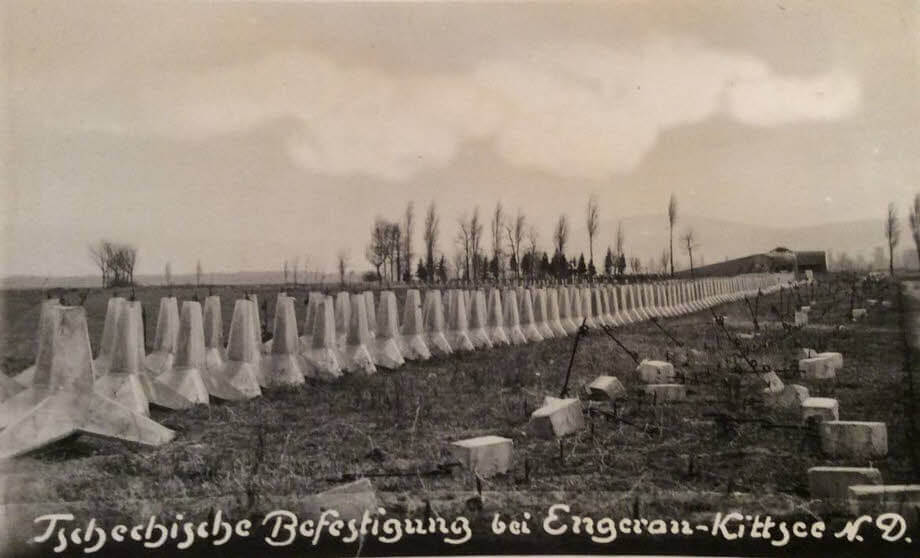
Military bunkers

First World War cemetery and memorial, 1916

-
-
-
-
-
-
-
